1. Do what you love even after turning 30

Robert Jackson was born in London, England, in September 1961, as the second of three siblings. When he was seven years old, his family moved to the United States. He spent most of his childhood in Houston, Texas, where he loved sports, especially baseball.

He enjoyed camping, hiking, and fishing with his family. Because of his father’s work, the family moved often. And while he was sad to say good-bye to his friends every time he had to move to another place, he was raised in a family full of affection and had a very happy childhood.
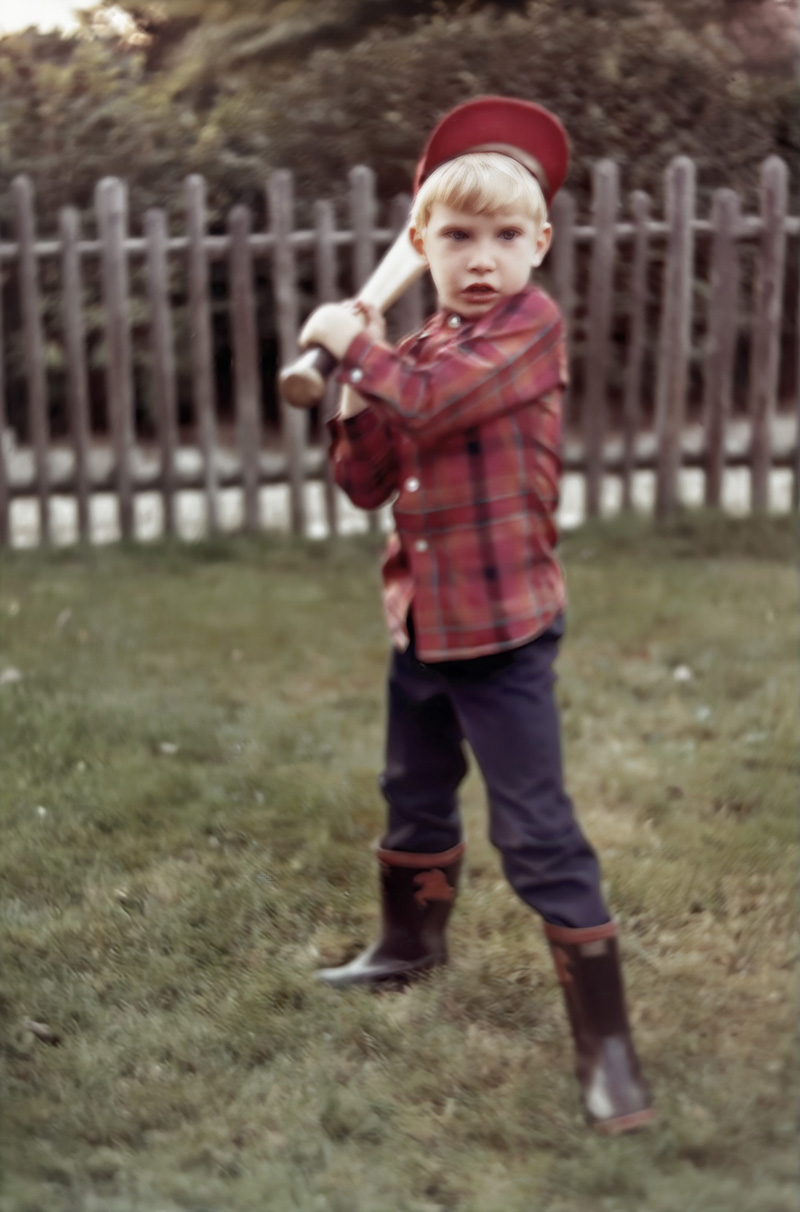

子childhood

In high school, although he was a good student, he often did whatever he liked. He really enjoyed math and science, and he wanted to be a chemical engineer in the future. He enrolled at Rice University in Houston, which was well known for its strong chemical engineering program. After graduating, he joined Dow Chemical Company, one of the world’s largest chemical manufacturers, and started working in Los Angeles, California. He enjoyed his work, but he also dreamed about studying the environment and becoming a university professor.

To pursue his dream, he worked full-time during the day while taking evening classes in botany at California State University, Fullerton, and taking trips to the mountains, the desert, and the ocean on weekends to learn more. His teachers impressed him, and his desire to continue studying the environment at the university became stronger with each passing day.

At the same time, he was anxious about the time it would take to achieve his dream because he would be over 30 by the time he finished his studies.

Robert talked to his father about his dream; and his father surprised him by saying, "You’re going to be 30 no matter what you do. You might as well be doing something that you love."

Encouraged by his father’s supportive words, Robert made the decision to leave the company that he had worked at for four years, and go into academic research.
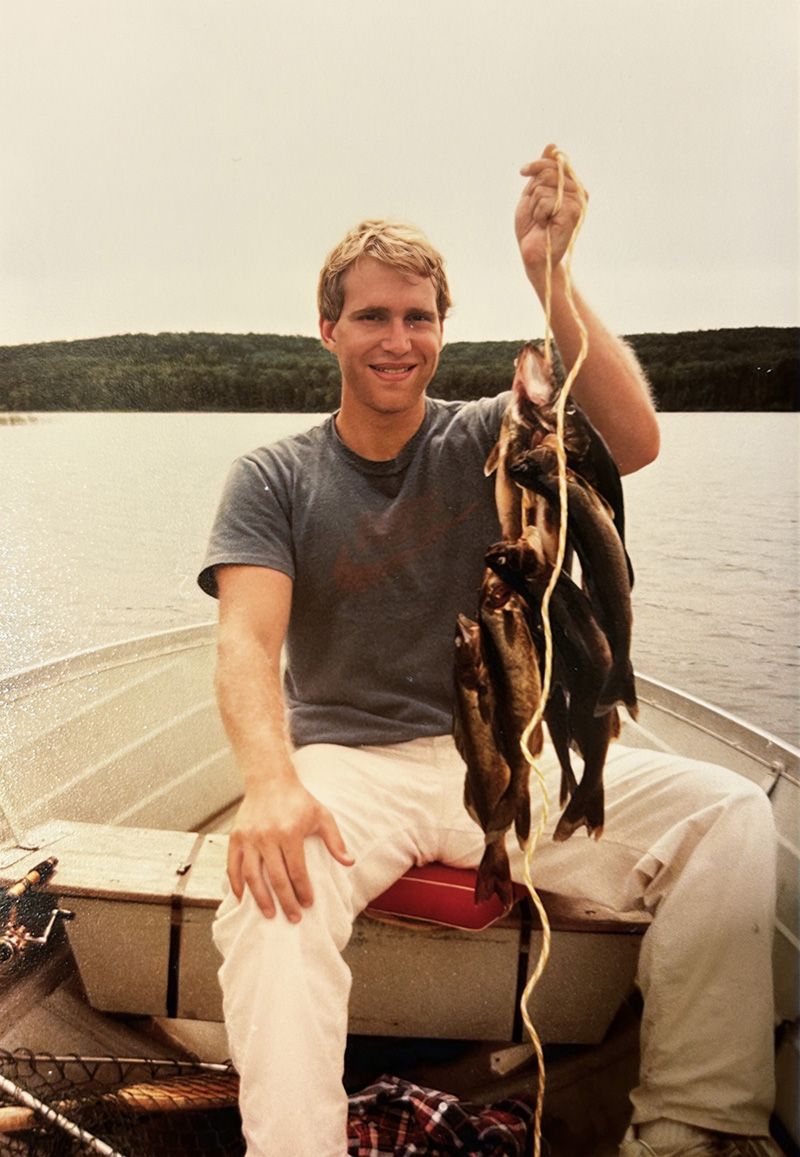

Robert

After leaving Dow Chemical, he studied ecology at the graduate school of Utah State University. Ecology is the gateway to the environmental sciences, so Robert thought that earning a doctorate in ecology would be the best way to create a career path for his future. He chose Utah State University because the university is surrounded by beautiful nature that was just right for his studies. Part of his decision might have been that his future wife, Sally Graves, was studying ornithology at Yellowstone National Park, which is near Utah.

Plant roots and bacterial communities in the soil have a mutual relationship that influences the emission of carbon dioxide and methane from soil to the atmosphere. His studies at Utah State University involved learning how plants absorb nutrients and water underground. In other words, his research focused on plant roots. His work became the foundation for his becoming a leading expert in root biology and root ecology.

In 1992, he entered a postdoctoral fellowship sponsored by the US Department of Energy. He moved to Stanford University and joined an experiment on global environmental change. The experiment investigated how rising atmospheric carbon dioxide levels affect grasslands. There he met Professor Harold Mooney, a biologist who received the Blue Planet Prize in 2002. This encounter led Professor Jackson to research climate change and greenhouse gas emissions.

After completing the two-year research project, Professor Jackson became an assistant professor of biology at the University of Texas, Austin. He moved to Duke University in North Carolina in 1999. He broadened his range of research, and became a professor in 2003. Before he moved to the School of Earth Sciences, Stanford University in 2014, he continued conducting research at Duke University for about 15 years.

2. What is happening in the soil

menu

Professor Robert B. Jackson

English